Growing up as a photo nerd in the 1980s—and later working as a professional photographer—there was always one ultimate dream lens hovering on my wish list: the legendary Leica Noctilux 50mm f/1.0.
Back then, owning ultra-fast glass wasn’t just an aesthetic preference; it was a physical necessity. Living in the Nordic region meant enduring endless, sunless winter months. Couple that climate with film that effectively capped out at ISO 800, and you were almost guaranteed to shoot with an on-camera flash standard for half the year. An f/1.0 aperture was the holy grail for gathering every scrap of available ambient light.
By the 1990s, I finally reached a point where I could afford one. The reality, however, didn’t match the myth. I sold it just a few months later.
Manual focus on a rangefinder at f/1.0—especially while wearing glasses—yielded far more misses than hits. A razor-thin depth of field combined with vintage manual focus mechanics turned every shutter press into an exercise in frustration.
Fast forward to the digital era. With modern sensors pushing clean ISO levels into five digits, ultra-fast lenses have shifted from a low-light survival tool to a purely artistic choice. And as a self-proclaimed sucker for shallow depth-of-field, I’ve collected my fair share of f/1.2 glass over the years.
Then, the YouTube algorithm dropped a review of the Brightin Star 35mm f/0.95 into my feed.
Intrigued, I rabbit-holed through several more reviews, hopped over to eBay, and picked up a brand-new copy for roughly €180.
At that price, my expectations were modest. The actual results, however, are utterly bizarre:
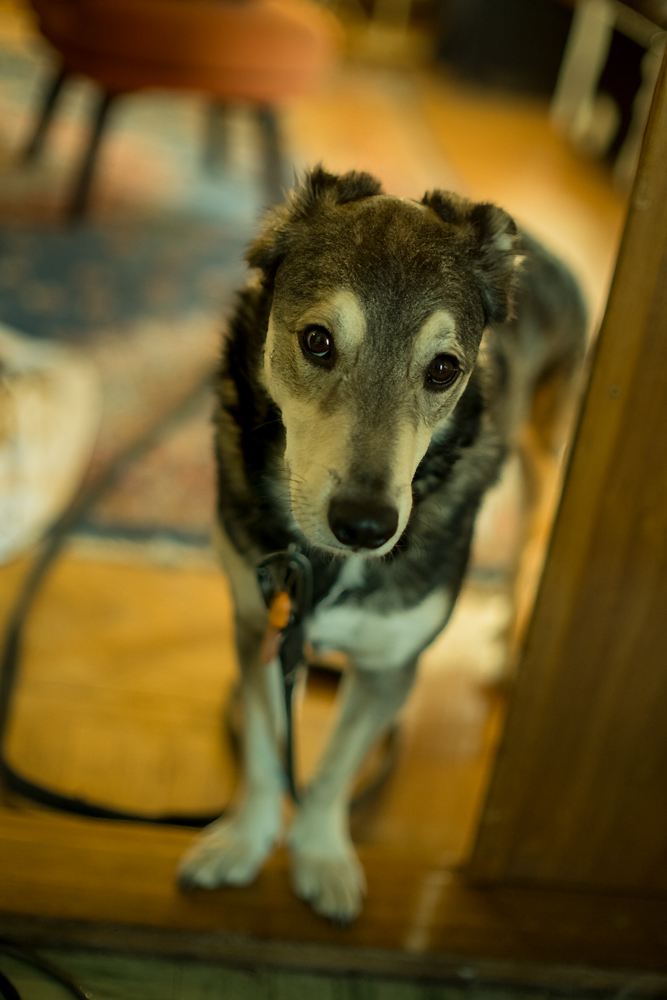
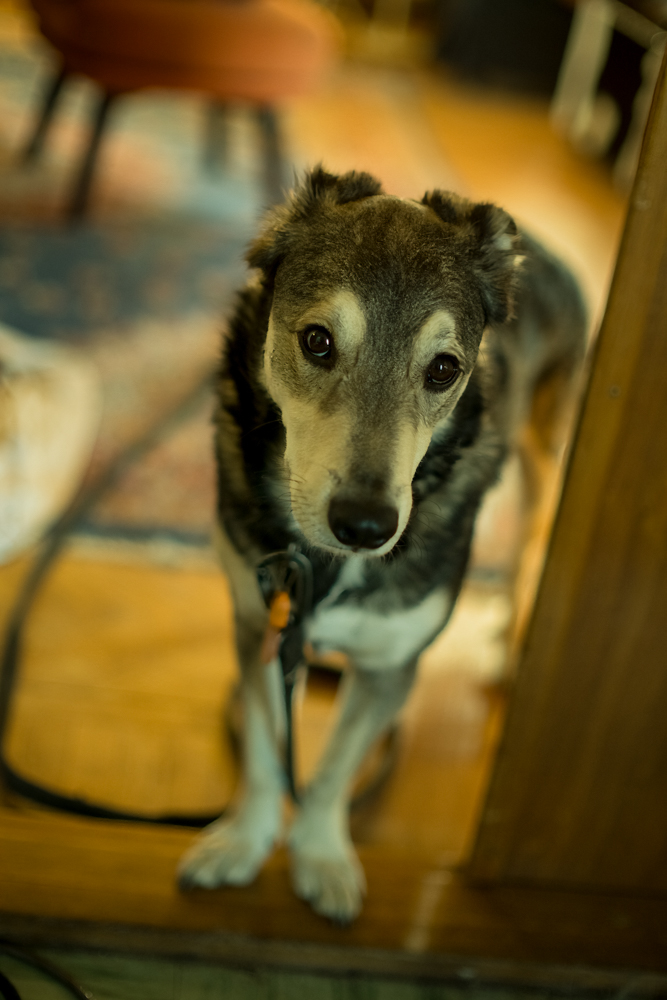
Center Sharpness: Wide open at f/0.95, the center resolution is shockingly crisp.
Edge-to-Edge: Stop it down to f/4, and it becomes razor-sharp across the entire frame.
Rendering & Character: The color science, contrast, and micro-contrast yield a magical, cinematic quality that rivals lenses ten times its price.
Thirty years after chasing the Noctilux dream, I finally found the rendering, character, and low-light performance I was looking for—without the rangefinder frustration or the five-figure price tag.
If you love creamy bokeh and character-rich glass, do yourself a favor: go grab one.